
Home / Ceylon Tea
Understanding the World's
Finest Tea Origin.
Ceylon tea isn't a single flavour; it's a geography, a climate calendar, and over 150 years of craft. Explore the history, regions, seasons and processing methods that make Sri Lankan tea unlike any other in the world.
Why Origin Matters
Whether you're buying Ceylon tea for the first time or have sourced it for years, understanding where it comes from helps you make better buying decisions. The region, the season and the grade all influence the character of the tea in the cup, and knowing those differences makes it easier to select the right tea for your market.
Explore Ceylon Tea
Four Things to Know
Before You Buy.
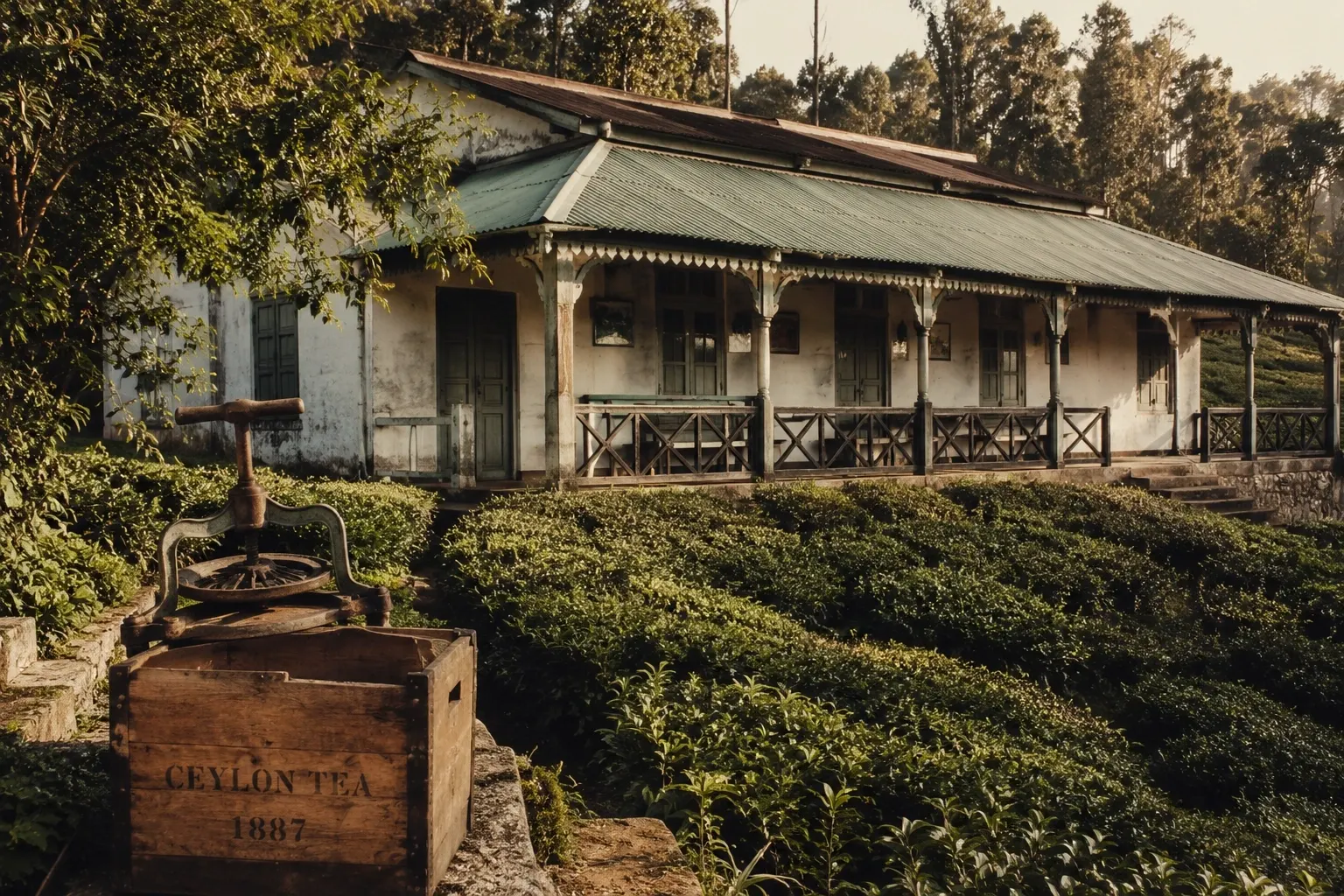 History
History of Ceylon Tea
From a coffee colony struck by disease to the world's most celebrated tea island: the remarkable rise of Ceylon tea.
Read the story →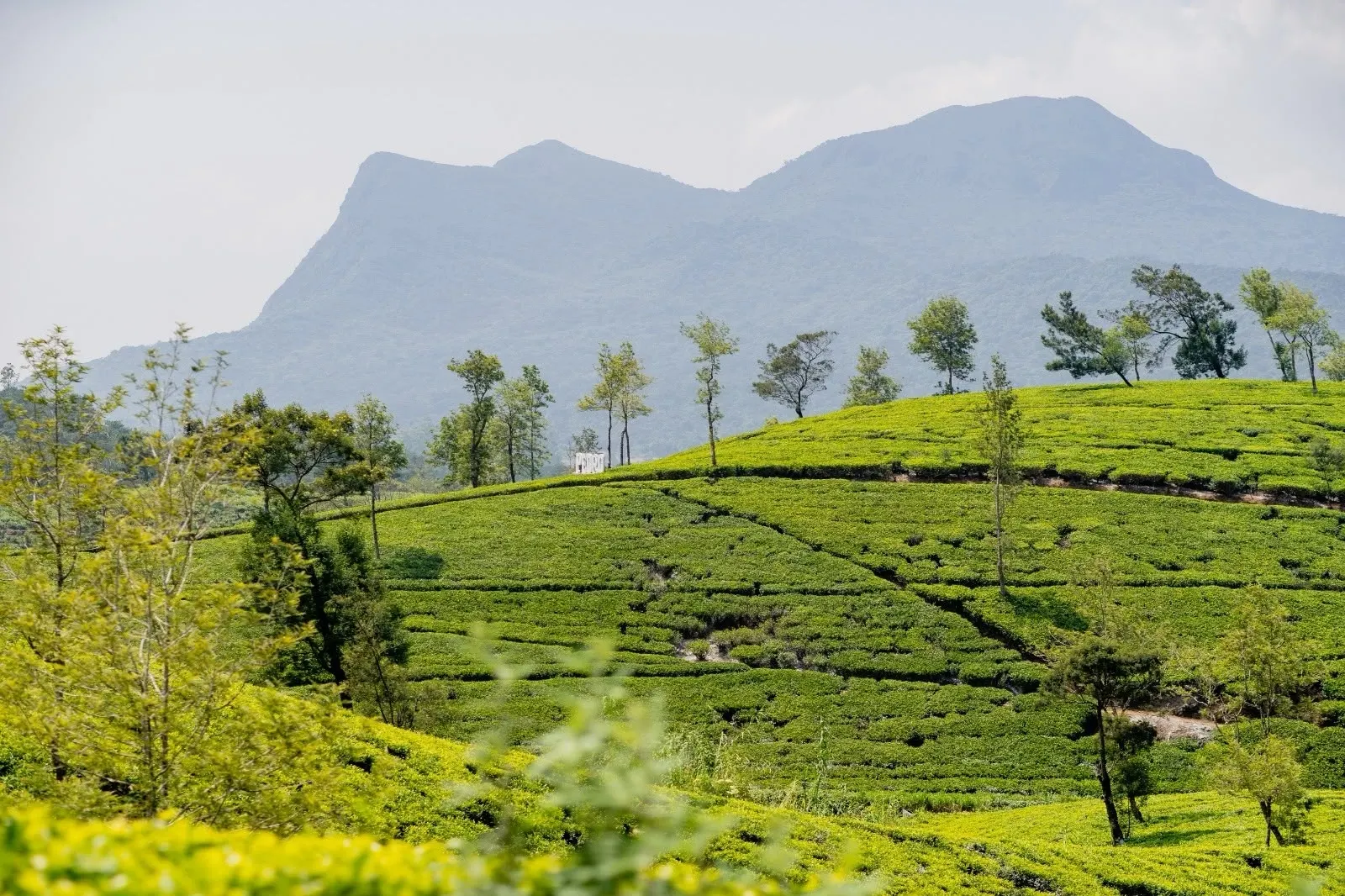 Growing
Tea Regions
Low-country, mid-country and high-grown estates: how geography and elevation shape the character of every cup.
Explore the regions →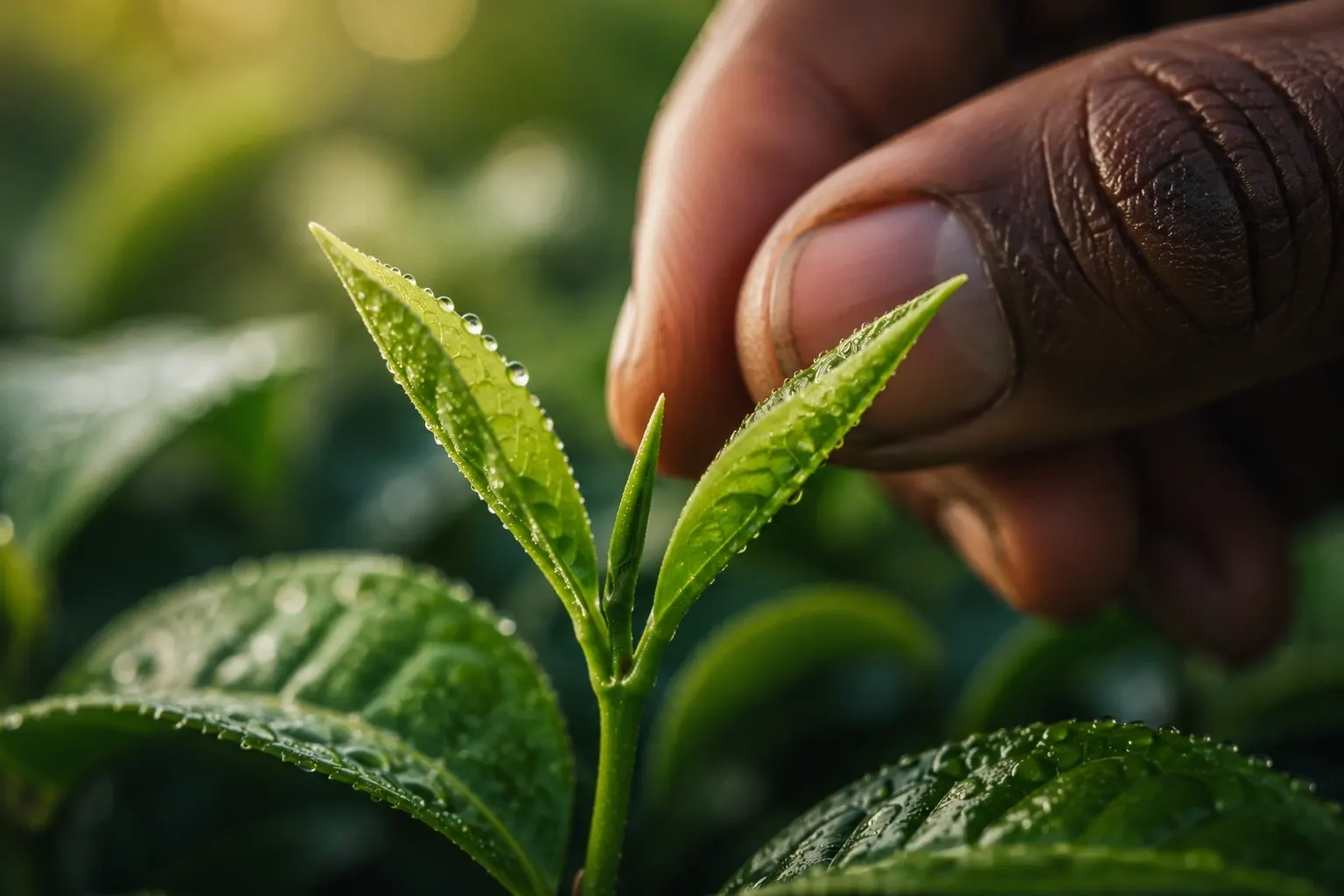 Timing
Tea Seasons
"Quality seasons" and flushes: why the time of year a leaf is plucked changes everything about its flavour.
Learn the seasons →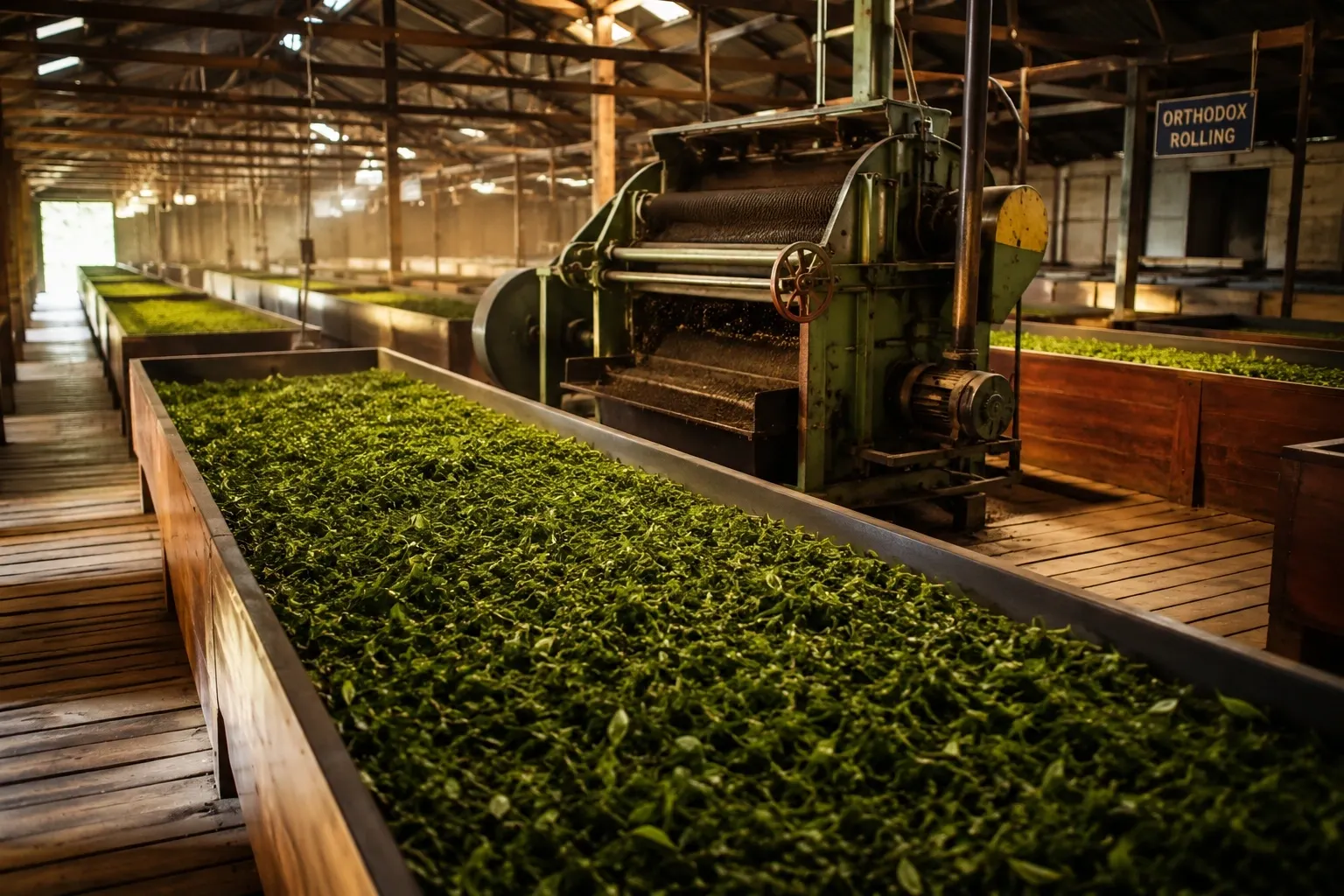 Craft
Craft
Tea Processing
Withering, rolling, fermenting, firing: the traditional orthodox process that turns a fresh leaf into Ceylon tea.
See the process →Why It Matters to Buyers
Origin Knowledge Is Buying Power
For importers, distributors and private label partners, understanding Ceylon tea's regions and seasons isn't simply interesting—it's the key to buying well. Knowing when a high-grown Nuwara Eliya tea is at its best, or how a low-grown Ruhuna differs from a Uva, helps you specify exactly what you're looking for and achieve greater consistency from shipment to shipment.
Our team draws on this knowledge every day when sourcing, blending and selecting teas for customers around the world. We're always happy to share that experience to help our partners make more informed buying decisions.