
Home / Ceylon Tea / History of Ceylon Tea
From a Coffee Colony
to a Global Icon.
Sri Lanka's tea story is one of reinvention: born out of crisis, shaped by geography, and carried forward by generations of growers, blenders and exporters who turned a single crop into a national identity.
A Crop Born of Crisis
When Coffee Failed, Tea Took Root
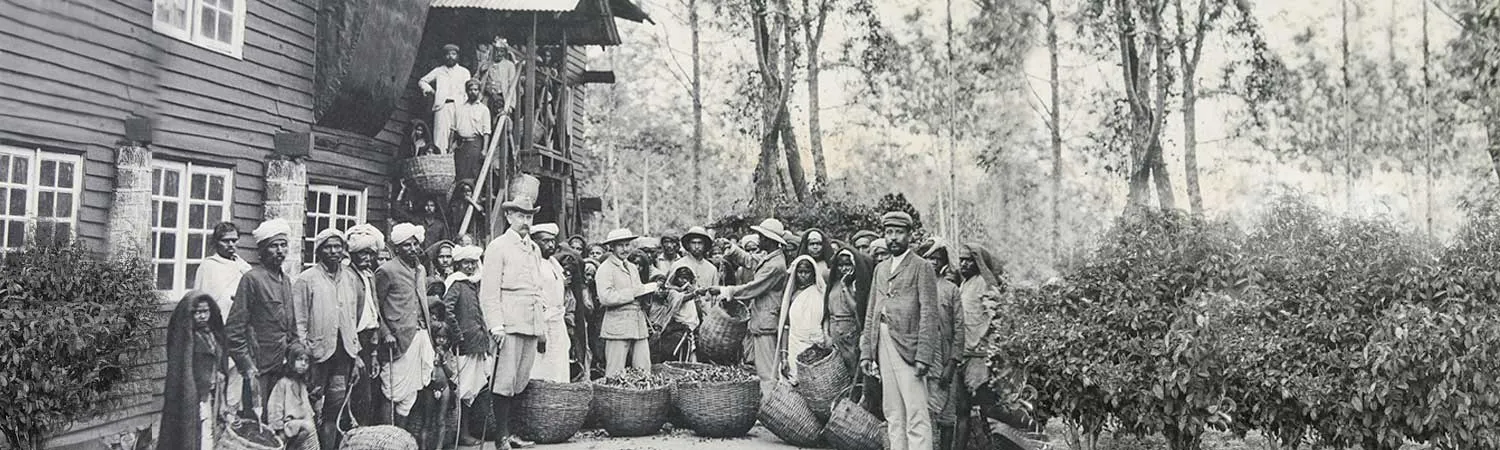
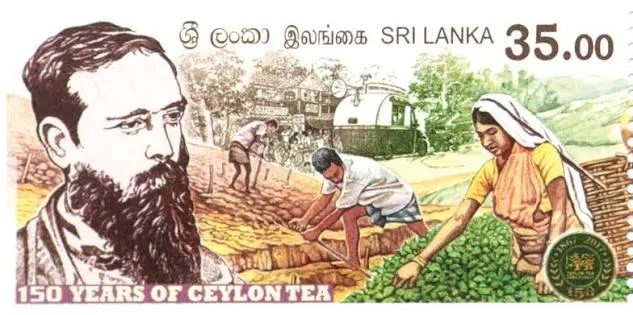
In the mid-19th century, Sri Lanka, then Ceylon, was a thriving coffee-growing colony. That changed when a devastating leaf-rust disease swept through the island's coffee plantations, wiping out an industry that had defined the local economy for decades. Out of that crisis, planters turned to a new crop better suited to the island's climate and altitude: tea.
What began as an experiment on the Loolecondera estate in 1867, under Scottish planter James Taylor, grew within a generation into one of the most significant tea industries the world had ever seen. By the early 1900s, Ceylon tea had already earned an international reputation for quality that distinguished it from other tea-growing origins.
A National Identity
The Lion Logo and a Promise of Origin
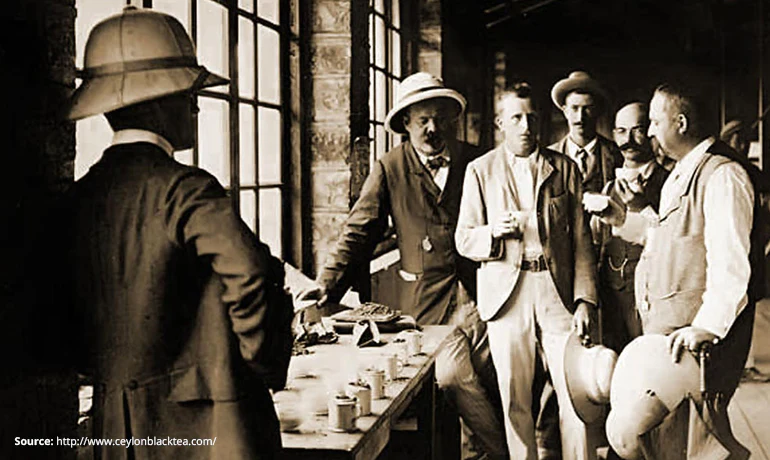
As Ceylon tea's reputation grew, so did the need to protect it. Generations of tasters and blenders built that reputation cup by cup, long before the Sri Lanka Tea Board, established in 1976, introduced the now-famous Ceylon Tea Lion Logo, a certification mark that guarantees a product is genuinely grown, manufactured and packed in Sri Lanka to recognised quality standards. Today, that logo remains one of the most trusted origin marks in the global tea trade, and it appears on every CTPE product that qualifies for it.
Tea is no longer just an export for Sri Lanka; it's a national identity, an economic backbone, and a craft passed down through generations of planters, pluckers, tasters and blenders.
CTPE's Place in That Story
Nearly Thirty Years Carrying the Legacy Forward
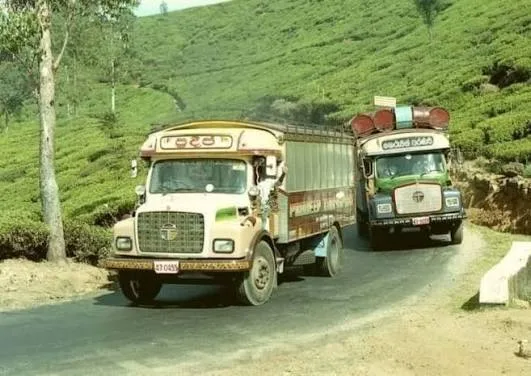
For more than thirty years, CTPE has carried that heritage forward through careful sourcing, expert blending, modern packing and export. While the industry has evolved, our commitment remains the same: respecting the leaf, maintaining quality and helping buyers around the world bring authentic Ceylon tea to their markets.